Why thousands of Danes choose psychotherapy over other solutions
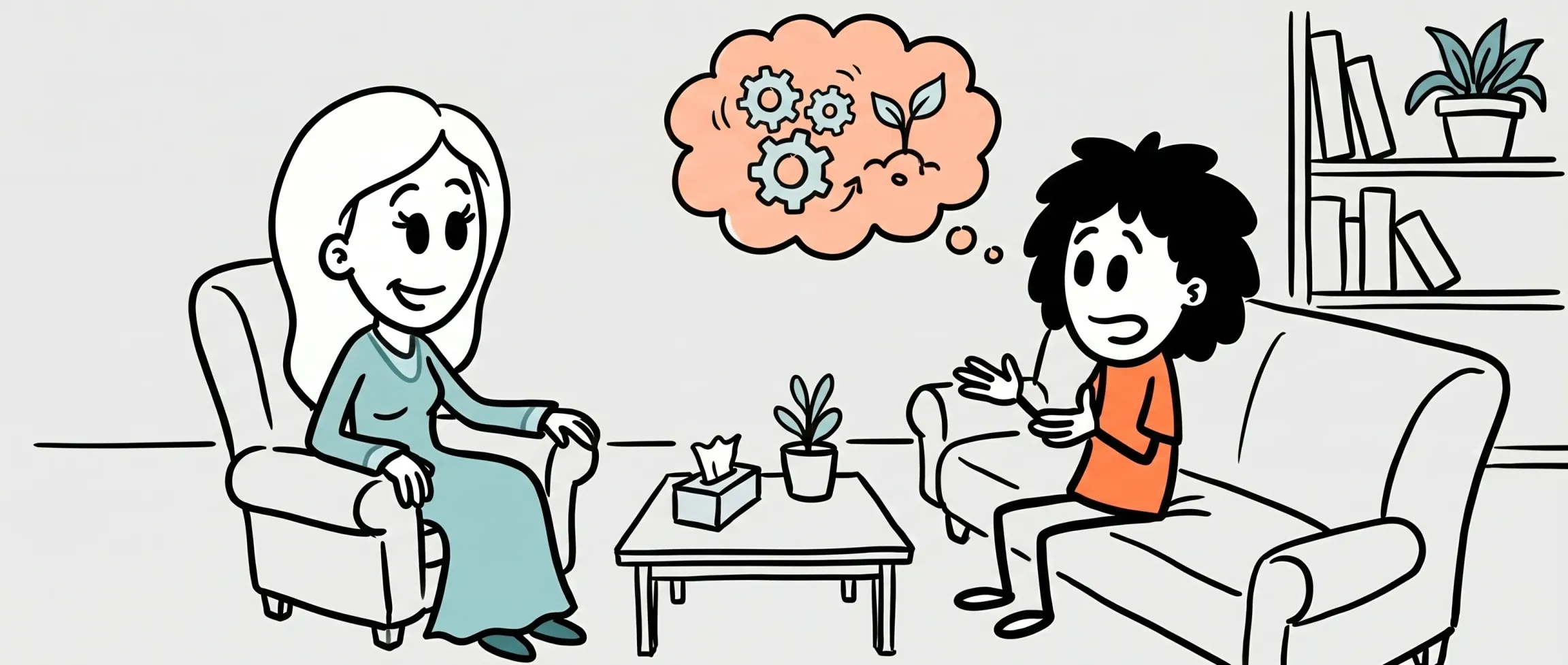
She sits across from me in my practice – a 35-year-old woman who has tried everything. Antidepressant medication, mindfulness apps, self-help books and yoga. Yet she still feels trapped in the same negative thought patterns as always. "What if psychotherapy could actually help me in a completely different way?" she asks cautiously. She is not alone in that thought.
Something remarkable is happening in Denmark right now. While the number of psychologists has doubled to 5,700 over the past 15 years, and nearly 57,000 women and 21,000 men received psychological help with public subsidies in 2020, interest in psychotherapy as an alternative path to better mental health is simultaneously growing.
But what exactly makes so many Danes choose to invest between 700-1,500 kroner per session in psychotherapy when other solutions exist? The answer may lie in the unique way psychotherapy works – and in the results that research now confirms are effective.
What actually happens in psychotherapy?
Psychotherapy is far more than just "a good chat." It is a structured treatment method where a trained therapist helps clients work through psychological, emotional and behavioral challenges. Through targeted conversations and documented techniques, the treatment aims to improve mental health, develop coping strategies and promote personal growth.
What's fascinating is that there are over 500 different forms of psychotherapy. In Denmark, psychologists typically pursue further education within four major treatment directions: psychodynamic/psychoanalytic, cognitive/behavioral therapeutic, existential/humanistic or systemic/structural therapy.
But here psychotherapists enter the picture in a different way. While psychologist is a protected title requiring a 5-year university education, "psychotherapist" is not a protected title in Denmark. This means psychotherapists can have different educational backgrounds – many have a 4-year private psychotherapy education and often come with life experience from other care professions.
The personal approach makes the difference
What distinguishes many psychotherapists is their focus on the personal dimension. As a psychotherapist MPF, I have undergone mandatory self-therapy and personal development. This requirement exists because the psychotherapist's most important tool is his or her own person – we must have "felt" the theories and methods we use on our own body.
This personal experience often creates a different quality in the conversation. When I sit across from a client, I bring not only theoretical knowledge, but also deeper insight into how change processes feel from within.
The many paths to healing
One of the most exciting things about psychotherapy is the diversity of approaches. Research shows that most clients need between 15-20 therapy sessions to recover from their problems, but the path there can look very different.
Cognitive behavioral therapy focuses on the connection between thoughts, feelings and behavior. Here the client learns to identify and change negative thought patterns to more realistic and helpful alternatives.
Psychodynamic therapy dives into unprocessed emotions and relationship patterns, often with roots back to childhood.
Narrative therapy works with the stories we have about ourselves and creates new, more positive narratives.
Gestalt therapy focuses on "here-and-now" experiences and increased self-awareness.
The surprising thing about research
One of the most fascinating things about psychotherapy research is that the methods are often not as different as they appear. As researcher Ole André Solbakken explains: "Psychotherapy is sitting with another human being who dedicates their full attention to you, who tries to help you".
Research actually points to the "non-specific factors" – that is, the quality of the relationship between therapist and client – often meaning more for the outcome than the specific method. This supports why many clients feel drawn to psychotherapists' more personal approach.
When does psychotherapy make the most sense?
Many ask me: "When should I choose a psychotherapist over a psychologist?" The answer depends on your needs.
Psychotherapists are typically best suited to help "healthy people who are having a hard time". We work with personal crises such as stress, anxiety, grief, relationship problems and life transitions. We are not trained to handle severe mental diagnoses like schizophrenia or bipolar disorder – here a psychologist or psychiatrist would be the right choice.
The economic perspective also plays a role. While you can get subsidies for psychological help through the public system or health insurance, you usually have to pay for psychotherapy yourself. But many experience that the investment is worth it – especially when they experience the different quality in the therapeutic relationship.
When life calls for change
In my practice, I often see people who stand at life's crossroads. Maybe it's a divorce, loss of a job, or just a feeling that "this can't be all." Here psychotherapy's focus on personal growth and self-insight can be particularly valuable.
The difference between psychotherapy and psychological help can be described like this: Where psychology is often "theory," psychotherapy is "practice". We don't primarily work with diagnoses and symptoms, but with the whole person and their potential for growth and change.
How to find the right help
If you're considering psychotherapy, there are several things to be aware of:
Check educational background: Although "psychotherapist" is not a protected title, you can search for psychotherapists who are approved by the Danish Psychotherapist Association (MPF certification). This ensures a minimum of 750 confrontation hours, self-therapy and supervision.
Price and accessibility: Psychotherapy typically costs 900-1,000 kroner per session, but many offer reduced prices to students, retirees and people with financial challenges.
The personal chemistry: The most important thing is that you feel seen, heard and understood. Many psychotherapists therefore offer a free initial conversation so you can sense if the chemistry fits.
Consider your goals: If you're seeking help for specific symptoms, a psychologist may be the right choice. If you want personal development, self-insight and a deeper understanding of yourself, psychotherapy may be the way.
The growing recognition
That one in ten Danes meets the criteria for mental illness at any given time, and that 82 percent of the population will during their lifetime get a mental disorder that requires treatment, underscores the need for different treatment options.
Psychotherapy represents an important piece in this puzzle – not as an alternative to traditional psychological or psychiatric treatment, but as a supplement to it. For many, it is precisely the combination of professional expertise and the deep personal dimension that makes the difference.
When I look back on the many clients I have met through the years, it's not the methods I remember best. It's the moment when something happens in the space between us – where insight arises, where change begins to take shape, and where a person suddenly sees new possibilities in their life.
Maybe that's what explains the growing interest in psychotherapy in Denmark. In a world that often feels hectic and superficial, we seek deeper connections – also in our journey toward better mental health. And psychotherapy offers exactly that: a deep, personal and transformative experience that acknowledges the whole person.
Whether you choose a psychologist, psychotherapist or a combination, the most important thing is that you take the first step. Your mental health deserves the attention – and investment – that you would give any other important part of your life.